News

Before comparing a galvanized expanded metal mesh supplier, define the mesh pattern, raised or flattened form, base material, galvanizing route, sheet size, edge condition, fabrication scope, tolerances and inspection evidence. “Galvanized expanded metal mesh” is not a complete purchasing specification. Two offers can use the same product name while differing in diamond geometry, strand dimensions, […]

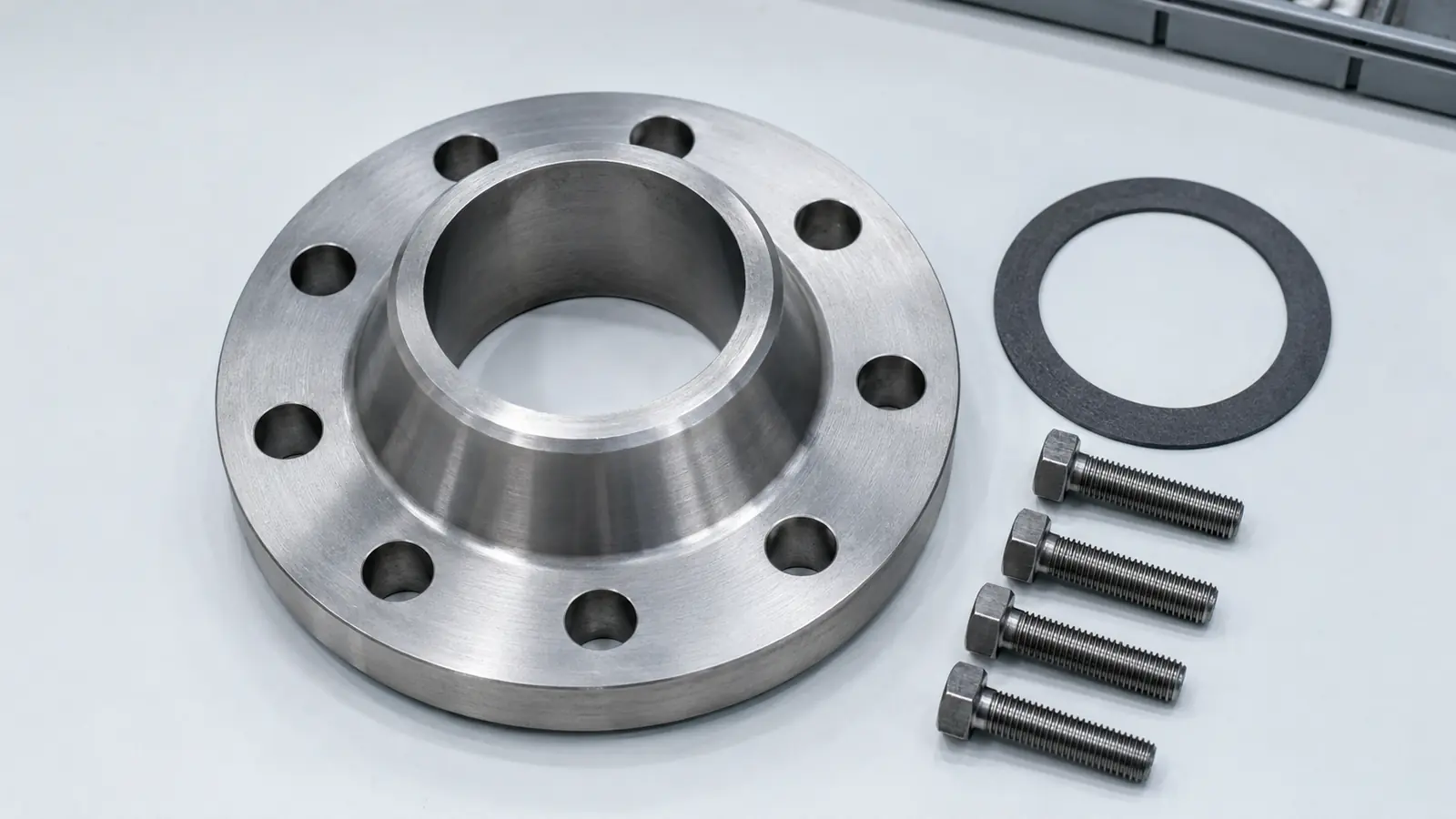
Evaluate an ANSI B16.5 steel flange in a fixed order: confirm that the flange is inside the standard’s scope, establish the required material and design temperature, verify the pressure class, select the flange type and facing, and check the bore and drilling against the pipe and mating component. Then review the gasket, bolting and assembly […]

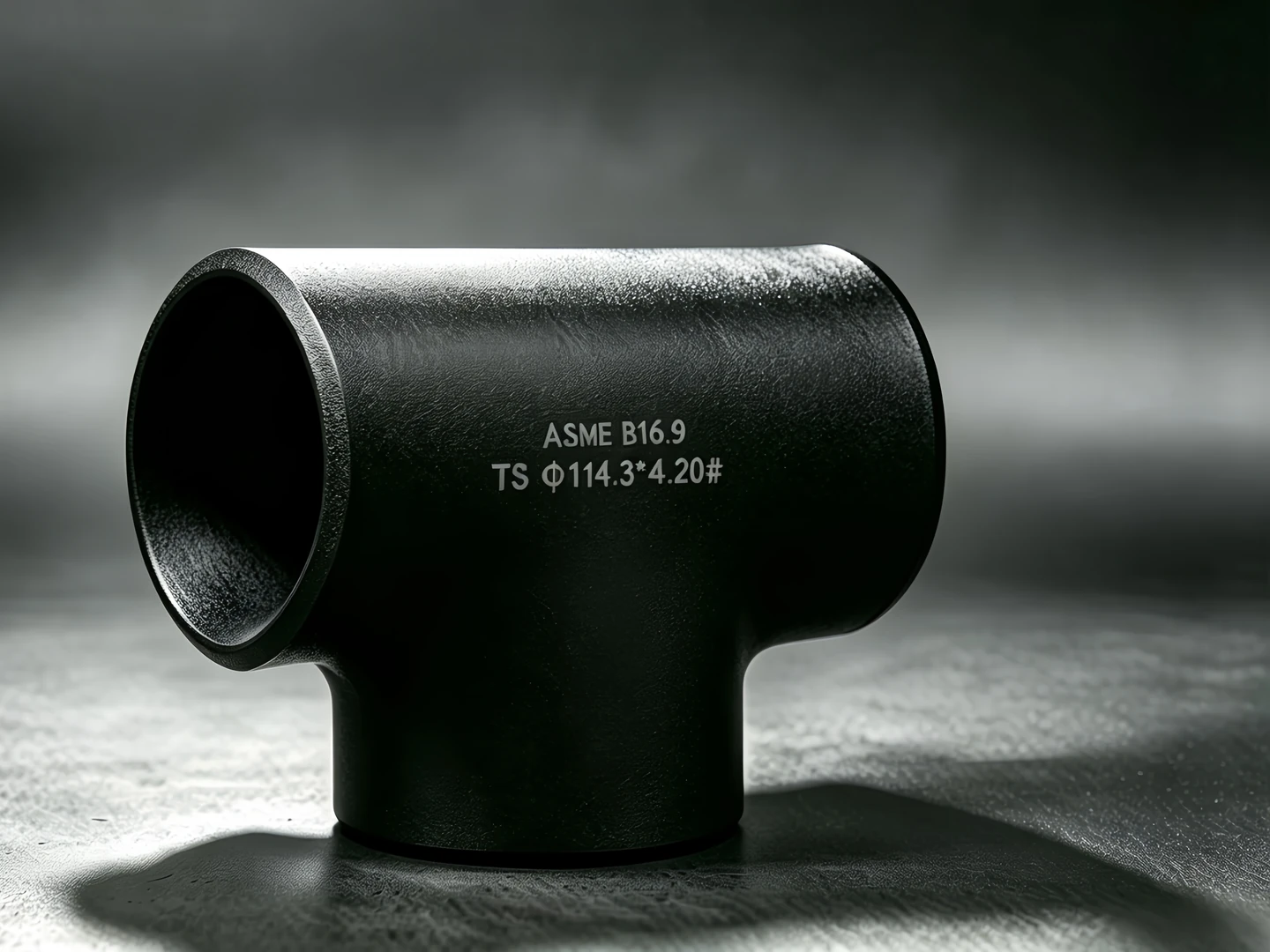
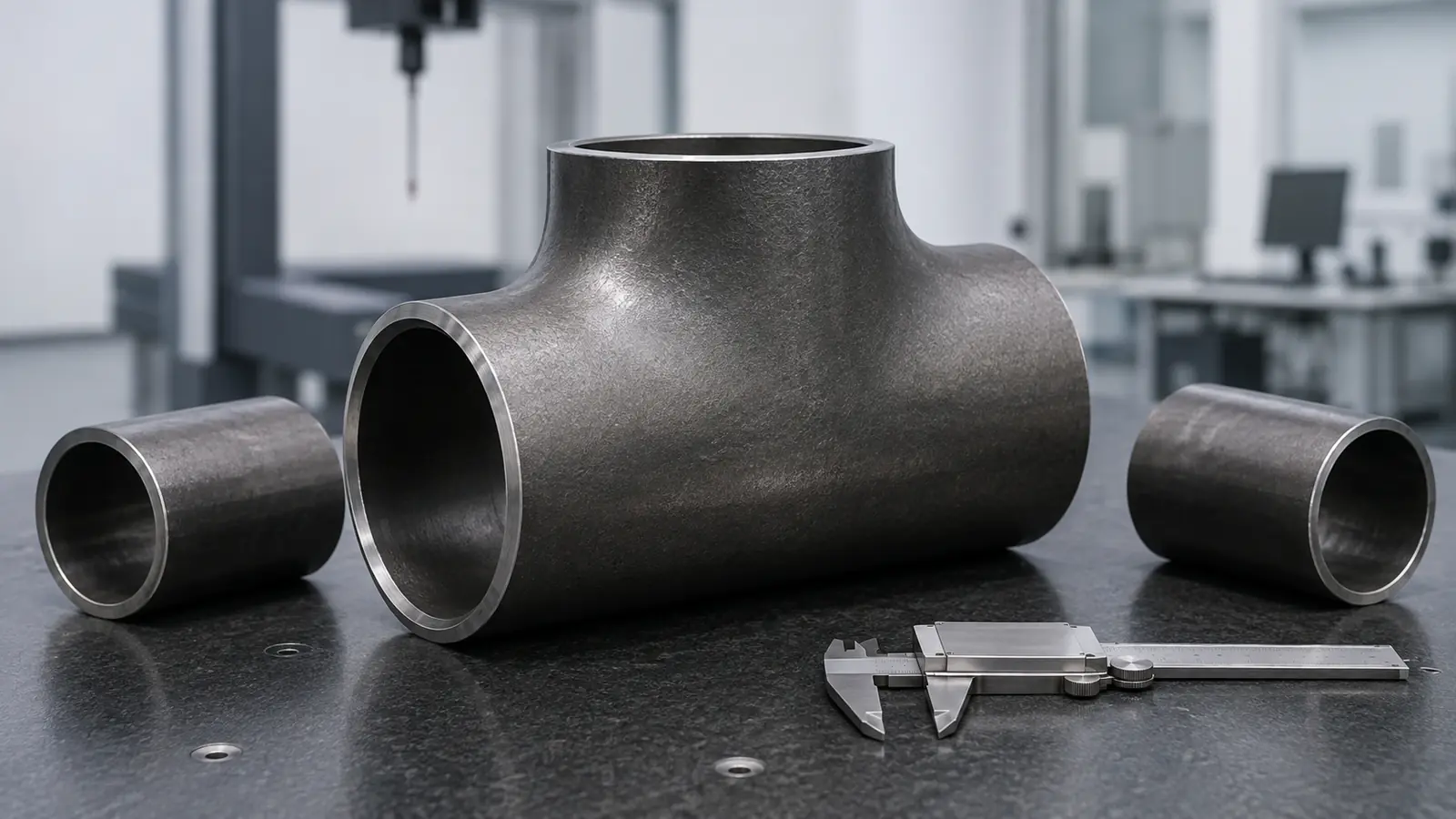
A pipe tee is ready for production only when its product type, three connection sizes, wall arrangement, material specification, dimensional basis, end preparation and acceptance records have been fixed in controlled purchasing documents. These fields must also agree with the piping class, adjoining pipe and approved layout. A description such as “standard carbon steel tee” […]

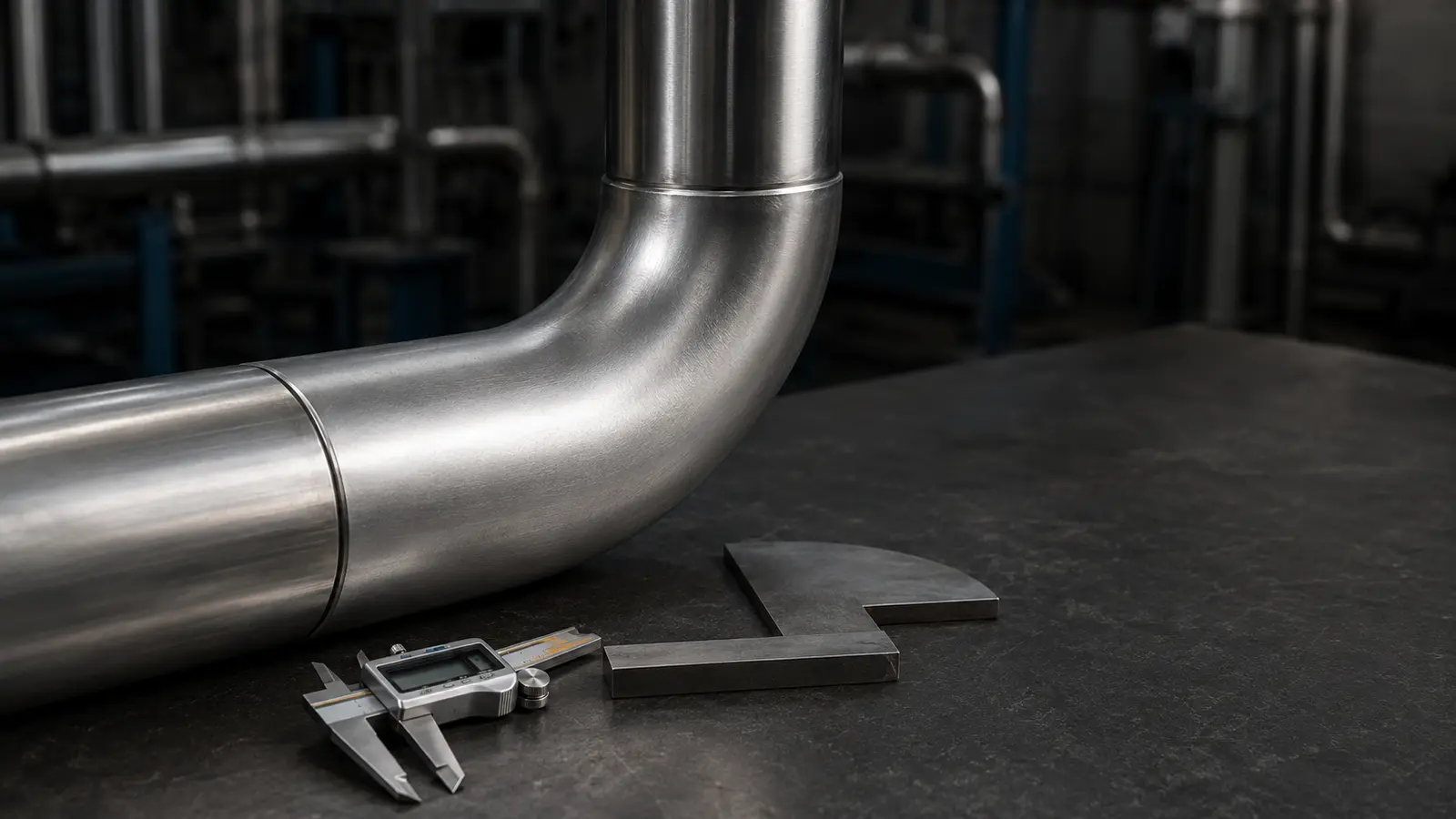
Direct Answer: A 316 stainless steel pipe elbow should be specified as part of a piping system, not by material and angle alone. Buyers need the exact grade, material and dimensional standards, nominal size, wall or schedule, bend angle, radius, connection and end preparation, service conditions, inspection, traceability, and documentation. Every field must match the […]

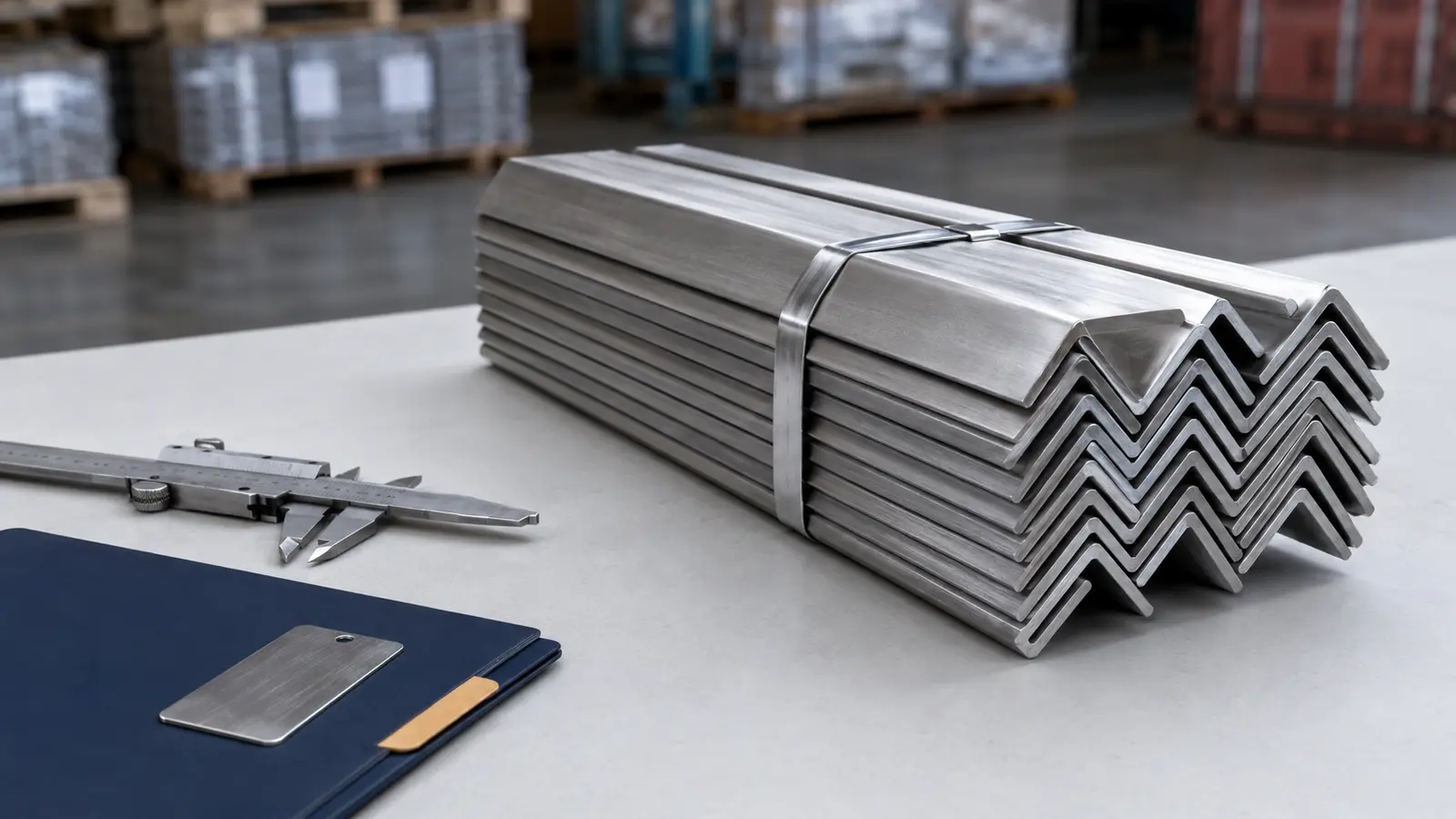
Direct Answer: A buyer should qualify both the company issuing the quotation and the mill producing the 316 stainless steel angle bar. Confirm the required standard, grade designation, equal or unequal legs, thickness, length, tolerances, surface condition, heat traceability, inspection documents, processing scope, packaging, and delivery responsibility. A supplier profile is useful for screening, but […]